CoP11-certified DC metering for DC-coupled solar PV and BESS

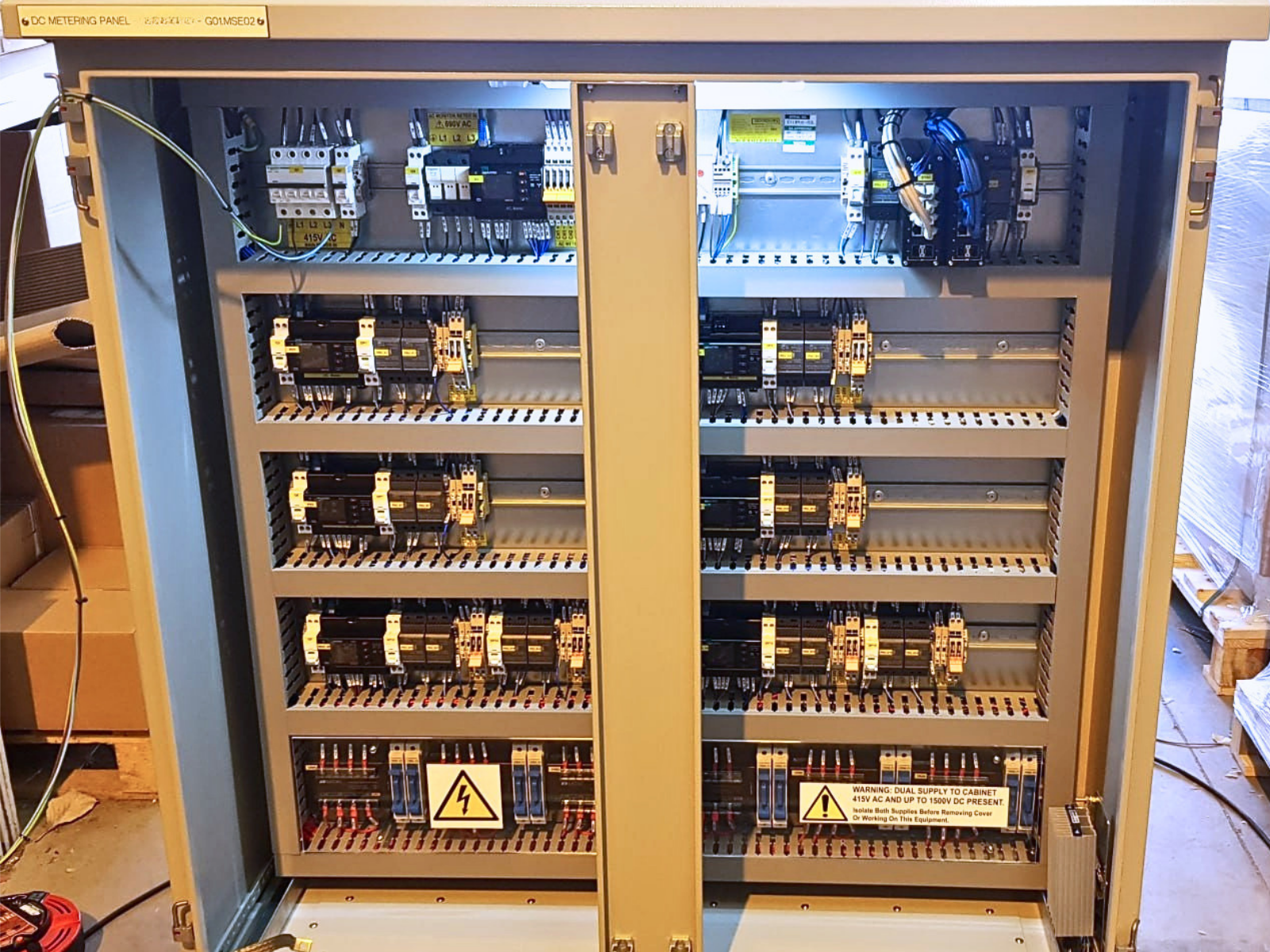
Hitec Instruments provides the UK’s first settlement-compliant DC metering solution for DC-coupled solar PV and battery energy storage (BESS) co-located projects, certified under Code of Practice 11 (CoP11).
The solution enables DC-coupled project architectures to participate fully in the UK’s energy settlement framework, including Contracts for Difference (CfD), Capacity Market, ancillary services and BSC settlement, while accurately measuring energy flows on the DC side of the installation.
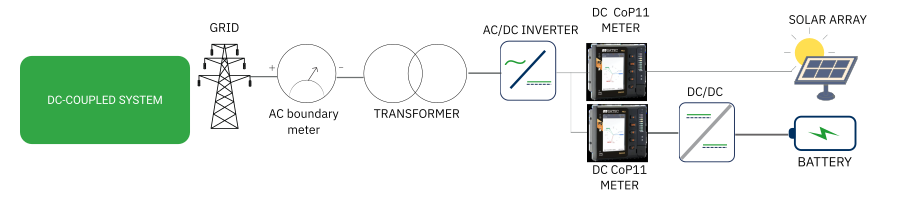
In a DC-coupled co-located project, both the solar PV array and the BESS connect to a shared DC bus. Energy flows between the two assets on the DC side, with DC-to-AC conversion occurring at a single shared inverter at the grid connection point.
The Hitec Instruments DC metering solution measures and records these DC-side energy flows with settlement-grade accuracy, clearly separating:
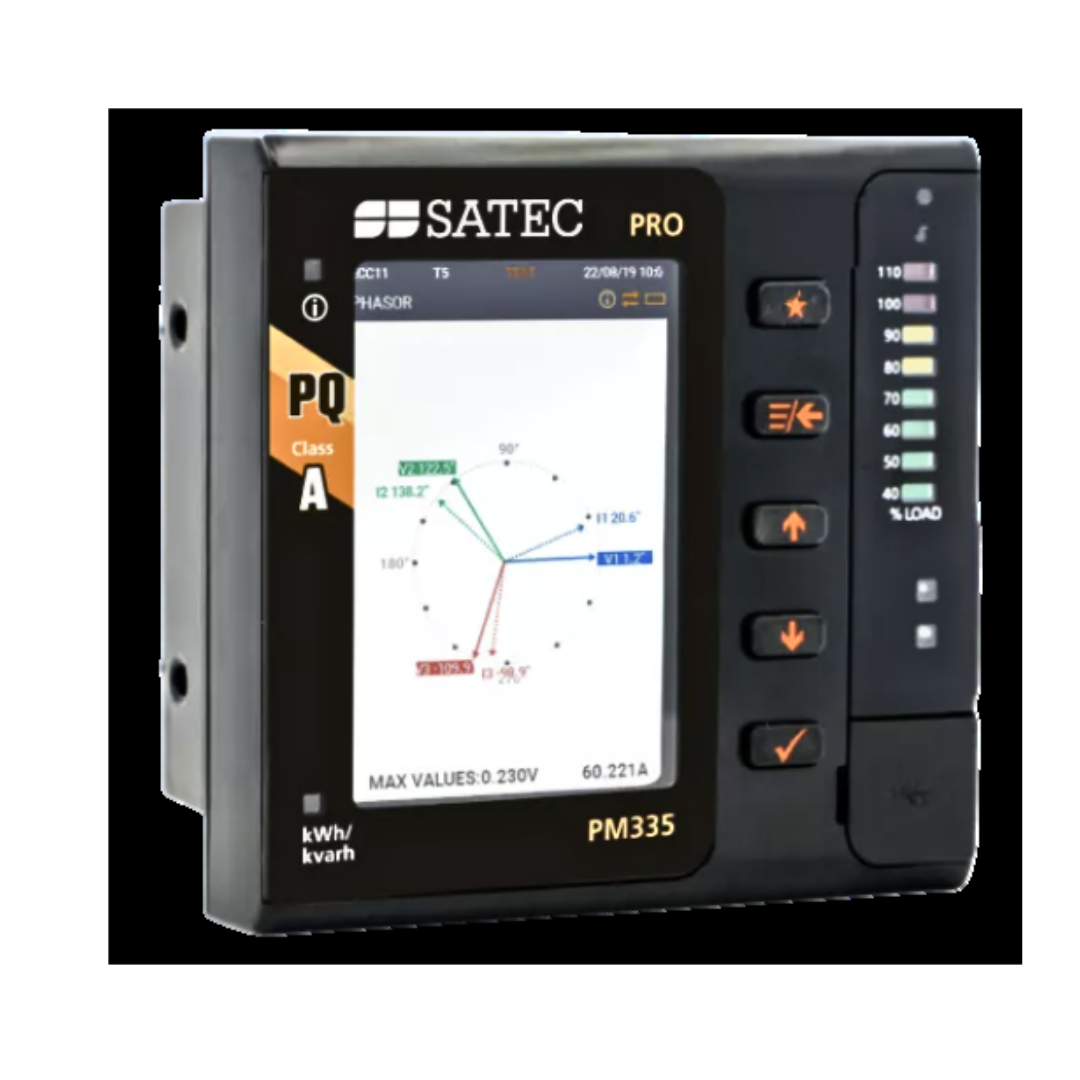
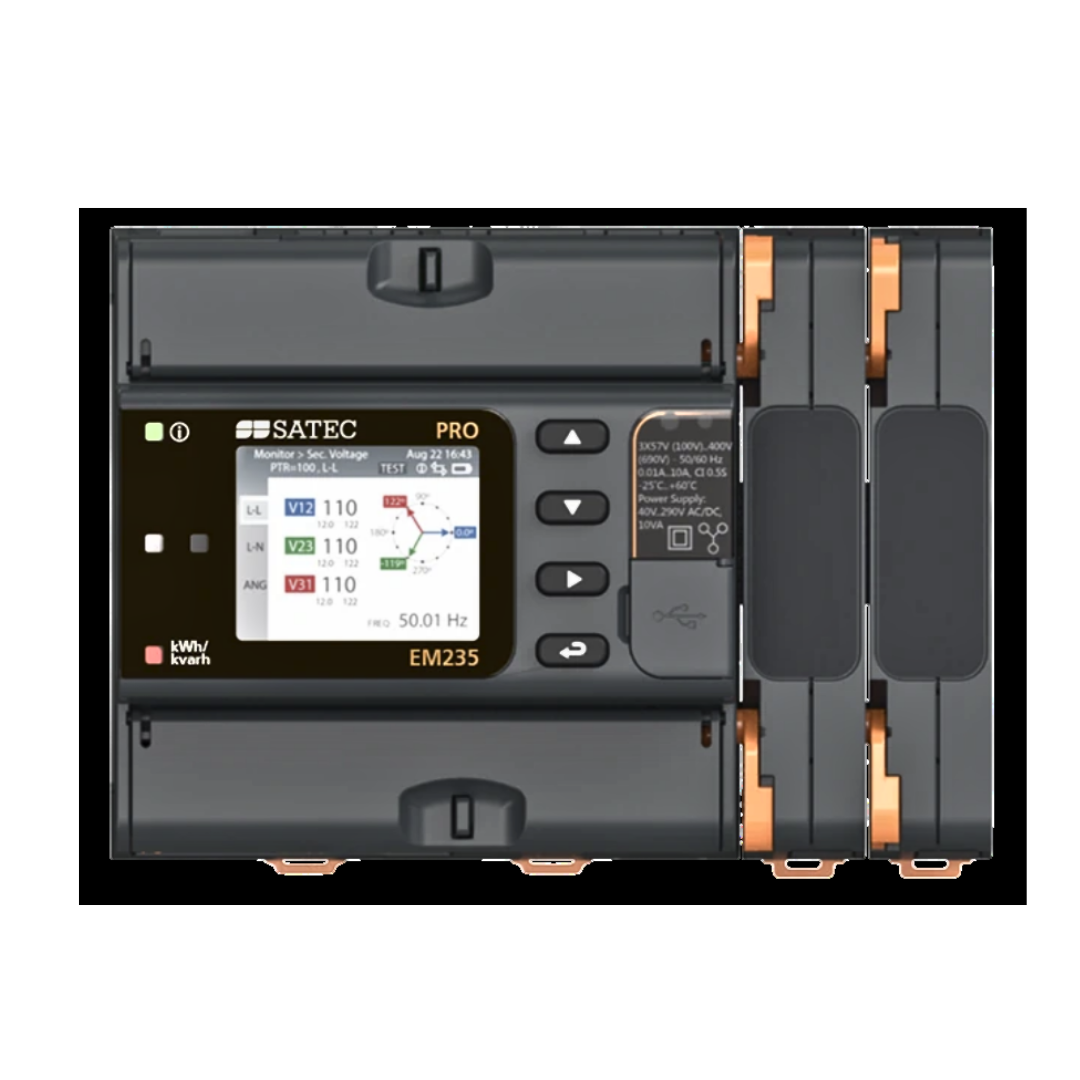
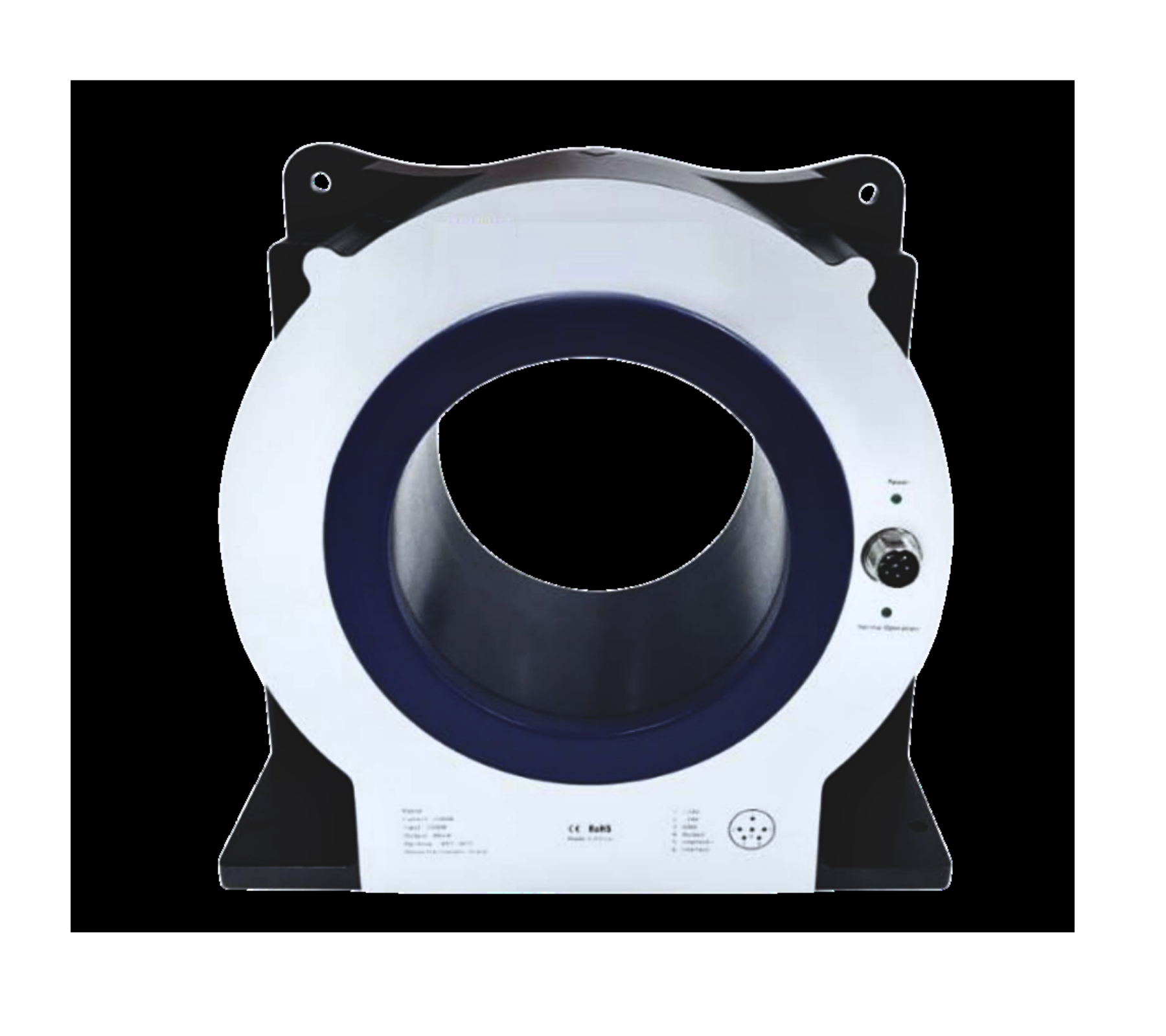
The system is based on the SATEC EM235 or PM335 PRO meters, used in conjunction with approved external UHACS DC current sensors. The complete asset metering configuration has undergone compliance testing in accordance with CoP11.
In compliant configurations, DC asset meters operate alongside the boundary point AC meter. This enables PV and battery energy flows to be measured behind the grid connection, while maintaining settlement compliance at the site boundary for all relevant frameworks.
| Parameter | Details |
|---|---|
| Compliance | Code of Practice 11 (CoP11) – first certified DC settlement metering configuration in the UK |
| Applicable frameworks | CfD, Capacity Market, BSC settlement, ancillary services, Balancing Mechanism |
| PV meter | SATEC EM235 PRO or PM335 PRO |
| BESS meter | SATEC EM235 PRO or PM335 PRO |
| Current measurement | UHACS DC current sensors |
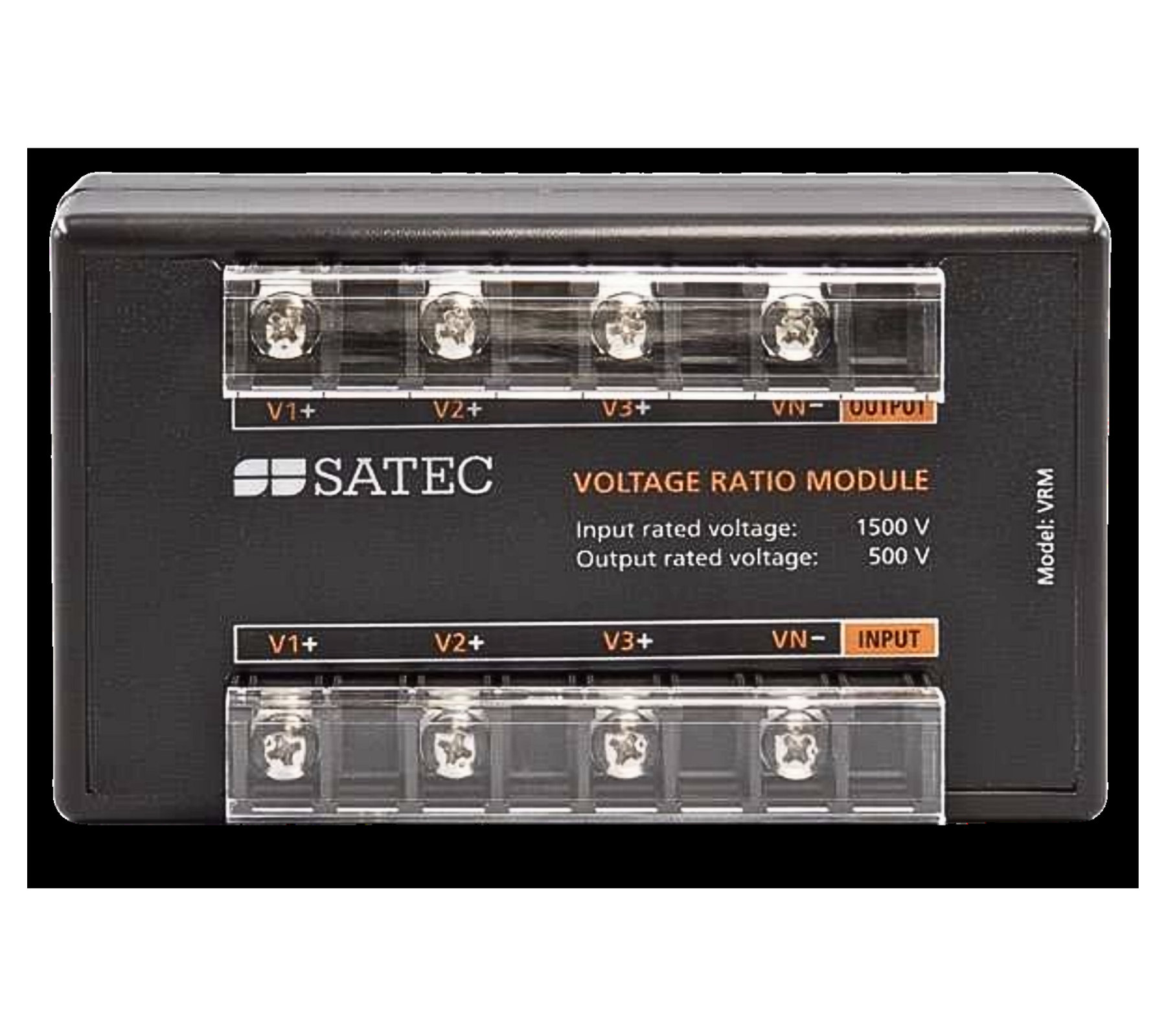
| Voltage interface | VRM Voltage Ratio Module (where required) |
| Protocols | Modbus TCP, Modbus RTU, DNP3, IEC 61850 |
| Boundary PQA | SATEC PM335 PQ PRO Power Quality Analyser (where required) |
| Auxiliary meter | PM335 PRO (where required) |
| Data output | Half-hourly settlement data, real-time SCADA integration |
| Application | DC-coupled co-located solar PV and BESS, utility scale |
| NESO guidance alignment | October 2025 NESO DC-coupled co-located metering guidance |
For Investors and Asset Owners
A DC-coupled project without compliant metering cannot access the UK’s principal revenue frameworks. CoP11-certified metering changes this completely.
CfD Compliance Settlement under the Contract for Difference scheme requires metering that accurately reflects the renewable generation of the project. The CoP11-certified DC metering configuration enables DC-coupled solar PV and BESS projects to participate fully in CfD – providing the revenue certainty that makes projects bankable and supports competitive project financing.
Capture Energy That Would Otherwise Be Lost Solar farms are routinely designed with a DC:AC ratio of 1.2 to 1.35 – meaning the panel array is intentionally oversized relative to the inverter. At peak irradiance, the inverter clips the excess generation and that energy is lost as heat. In a DC-coupled system, the battery can capture this clipped energy directly from the DC bus and dispatch it later at full value.
For a 50 MW (AC) solar farm with a 1.3 DC:AC ratio, the recoverable clipped energy is typically 1,000 to 2,000 MWh per year. This represents considerable additional annual revenue that an AC-coupled project cannot access.
Higher Round-Trip Efficiency on Solar Charging AC-coupled systems route solar energy through two conversion stages before it reaches the battery — DC to AC at the PV inverter, then AC back to DC at the BESS power conversion system — with combined losses of 6 to 10%. DC-coupled systems use a single DC-DC conversion stage, achieving 96 to 98% round-trip efficiency on solar charging. Across a typical annual charging cycle this efficiency gain adds measurably to revenue.
Independent BESS Dispatch Settlement-grade DC metering enables the BESS to be metered and operated as a distinct asset from the solar farm. This means the battery can be dispatched independently for wholesale arbitrage, Balancing Mechanism participation, frequency response services and Capacity Market obligations — without its operation being constrained by or conflated with the solar generation profile.
What This Means for Project Returns For a representative 50 MW solar + 50 MWh BESS project, the combination of clipping energy capture, improved round-trip efficiency and full BESS dispatch access enabled by CoP11 metering is estimated to add in the region of £0.4m* per year in additional operating profit.
* This figure is illustrative, based on typical UK project parameters and 2024–2025 market conditions. Actual returns will vary by project design, location, dispatch strategy and market pricing. Independent technical and financial advice should be sought for any specific project
For Project Developers and Lenders
Bankability and Settlement Transparency
Development finance and project finance lenders require clear, auditable evidence of energy flows at asset level. Settlement frameworks require that metering accurately reflects the generation and storage activity of each registered asset.
The CoP11 DC metering system creates the audit trail that lenders, offtakers and the Low Carbon Contracts Company (LCCC) require and removes the regulatory uncertainty that has historically made DC-coupled projects harder to finance.
The CoP11-certified DC metering configuration provides:
For Engineers and Technical Teams
The DC metering configuration is built around two SATEC PRO Series meters:
SATEC EM235 PRO — DC energy meter, measuring voltage and current on the DC bus
SATEC PM335 PRO — AC/DC energy meter and power quality analyser, used at the boundary point
DC current measurement uses Hitec Instruments’ UHACS (Ultra High Accuracy Current Sensors), selected to match the current rating of the DC bus and the accuracy class required under CoP11.
A Voltage Ratio Module (VRM) is used where required to bring high DC bus voltages within the measurement range of the meter inputs.
The system compensates for DC-side losses between measurement points and the settlement boundary, in accordance with CoP11 methodology.
All meters and current sensors in the configuration are accuracy-class compliant with CoP11 requirements. The complete asset metering configuration, including meters and associated DC current sensors – has undergone compliance testing under CoP11.
PRO Series meters support a wide range of communication protocols, including Modbus TCP, Modbus RTU, DNP3 and IEC 61850, enabling straightforward integration with site SCADA, energy management systems and settlement data collection platforms.
The Hitec Instruments CoP11-certified DC metering solution is available now for new-build and operational DC-coupled solar PV and BESS projects across the UK.
We use cookies to improve site performance, analyse usage and support our services.
You can accept all cookies, reject non-essential ones, or adjust your preferences.